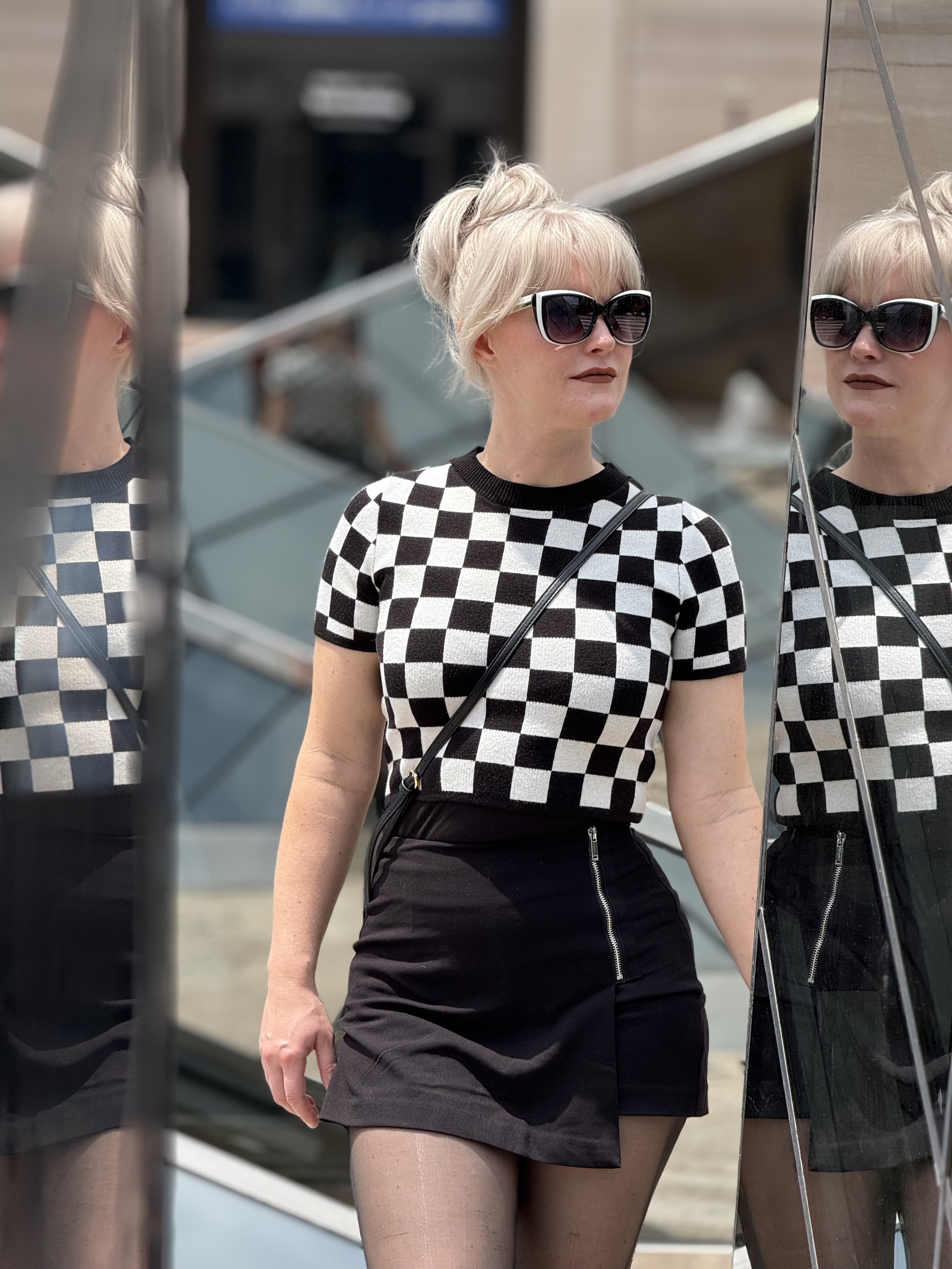
Hello, I’m Whitney.
Whitney comes from the Old English "hwita ēg" white island, a place defined by its edges, where land meets water. My married name, Haddad, means "blacksmith" in Arabic: someone who shapes raw material into something functional and lasting. I didn't choose my name to tell a story, but it does — someone shaped at the boundary between two worlds, turning raw material into something that works.
That's exactly what I do.
I spent thirteen years as a registered dental hygienist before completing a computer science degree and arriving in Human-Computer Interaction and Design at UC Irvine, where I'm currently a graduate student. I didn't wander into this field, I followed the thread. Dentistry taught me to read people quickly, translate clinical findings into language a nervous patient could actually hear, and build trust in rooms where people are rarely comfortable. Those skills didn't disappear when I picked up Figma. They became the foundation of how I research, how I facilitate, and how I show up with stakeholders.
The technical side came the same way, one internship at a time. At Colorado STEM Ecosystem I designed a mobile app from the ground up. At Colorado Sustainability Hub I analyzed user flows and designed the UX for an AI chatbot. At Roadrunner Connect, I moved past design into full-stack development, debugging and building admin features for a live mobile application. Each one pulled me a step further into building, not just recommending.

Achievements
Education
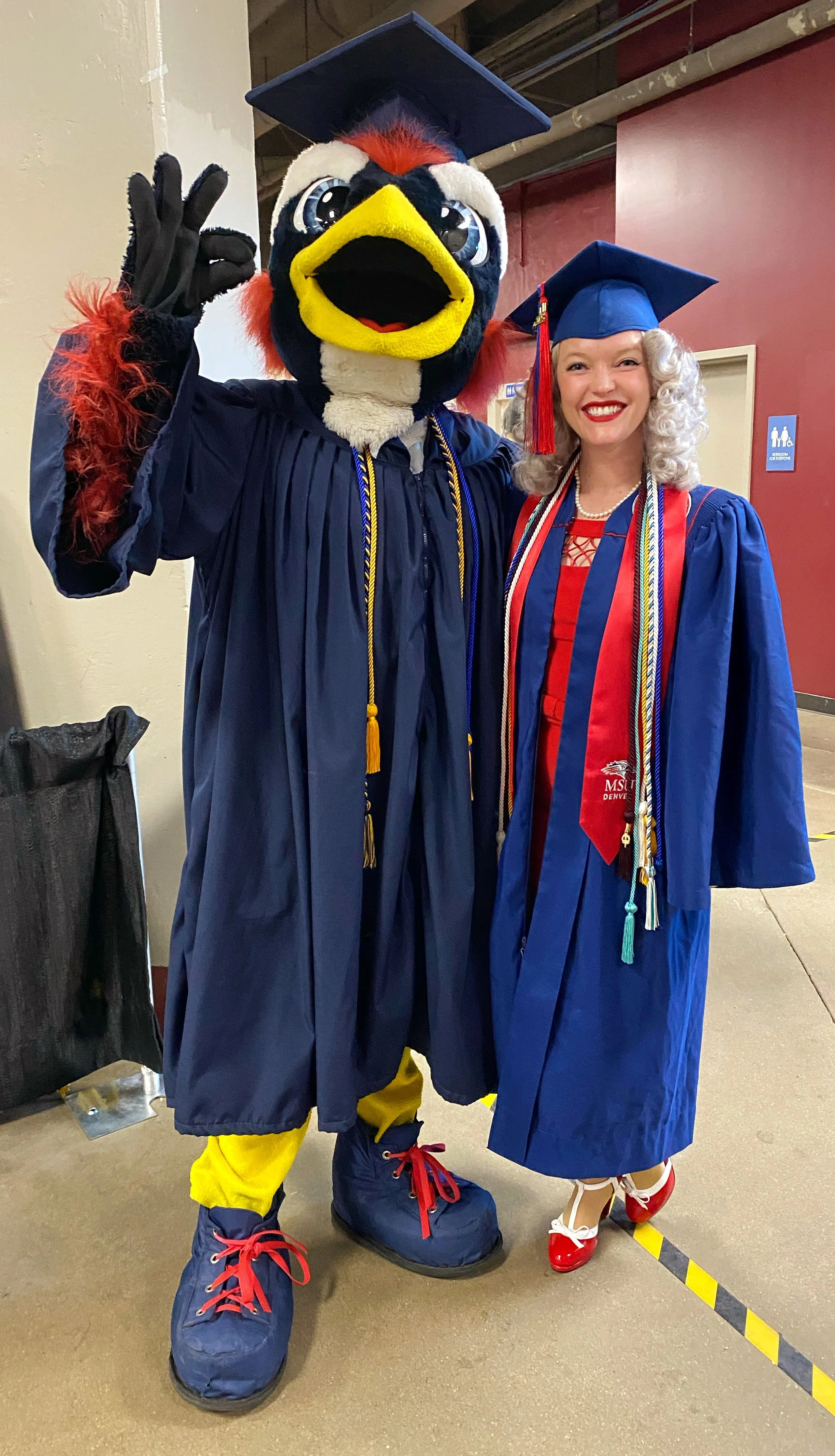
B.S. Computer Science, Magna Cum Laude, 3.9 GPA — MSU Denver
M.S. Human-Computer Interaction & Design (in progress) — UC Irvine
Awards
Upsilon Pi Epsilon Honor Society
President's and Provost's Honor Roll, 2022–2024
Certificates
Activities
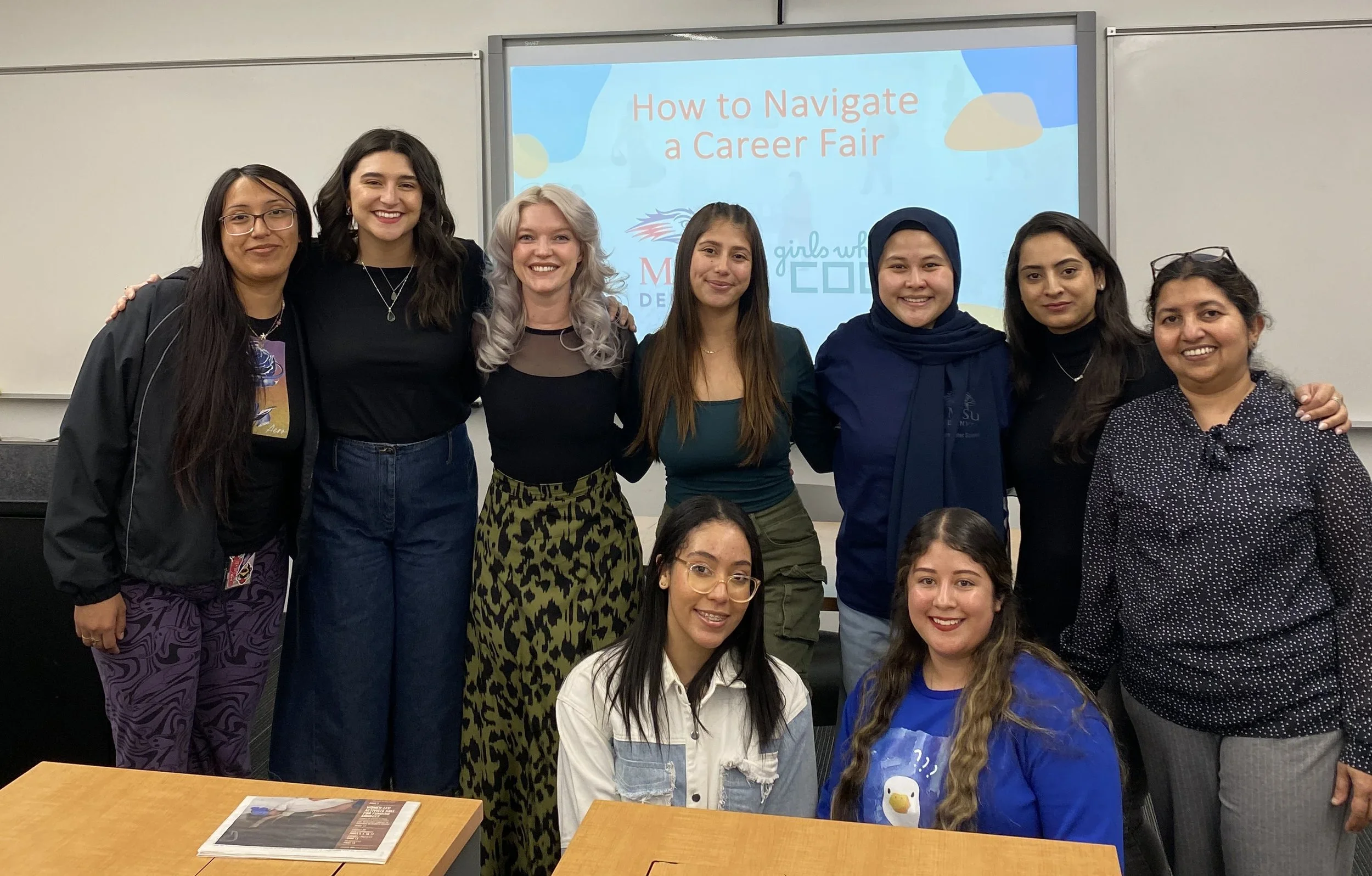
I served as an officer for MSU Girls Who Code as Secretary and Social Media Manager during my undergrad.
Life
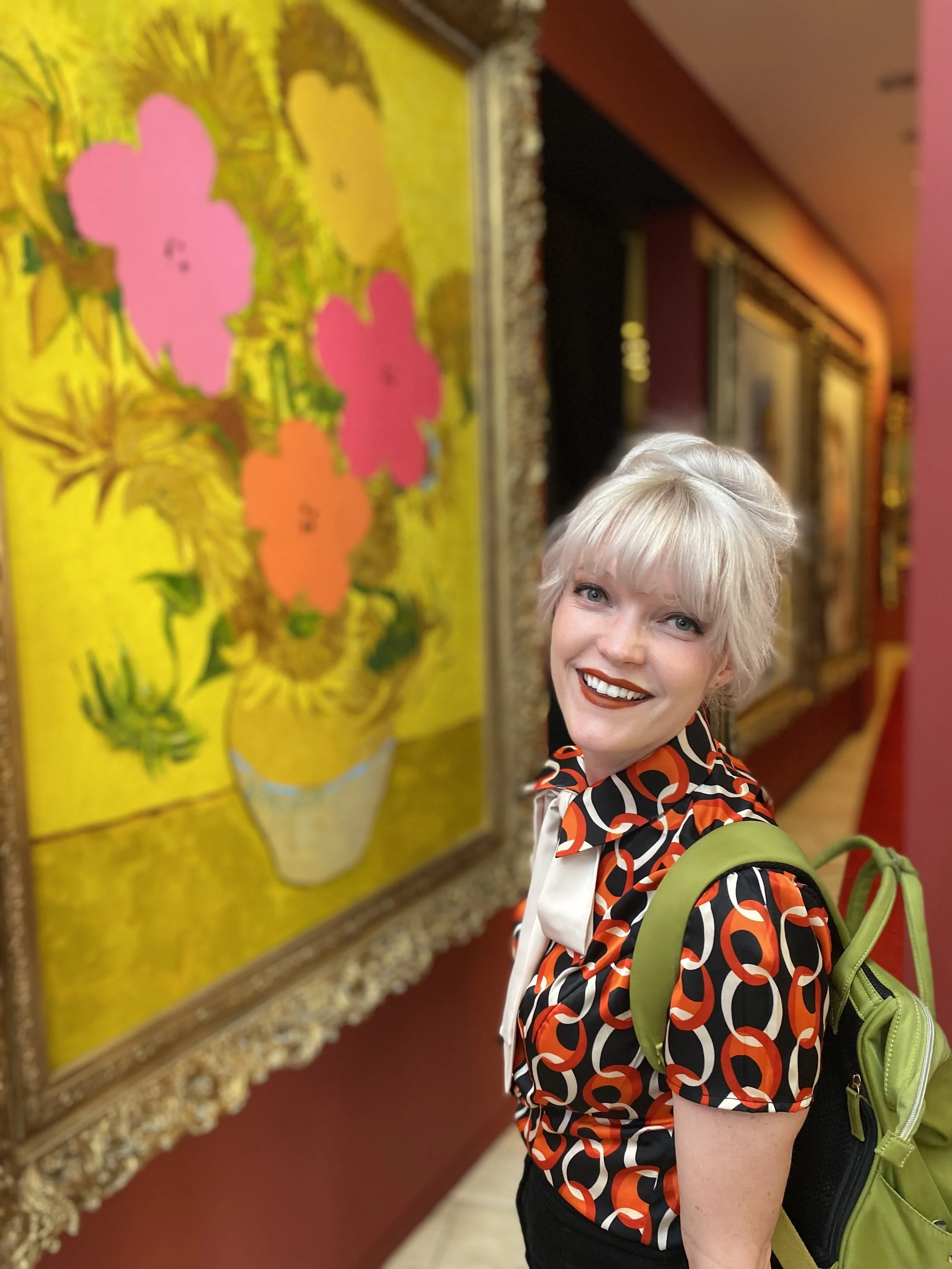
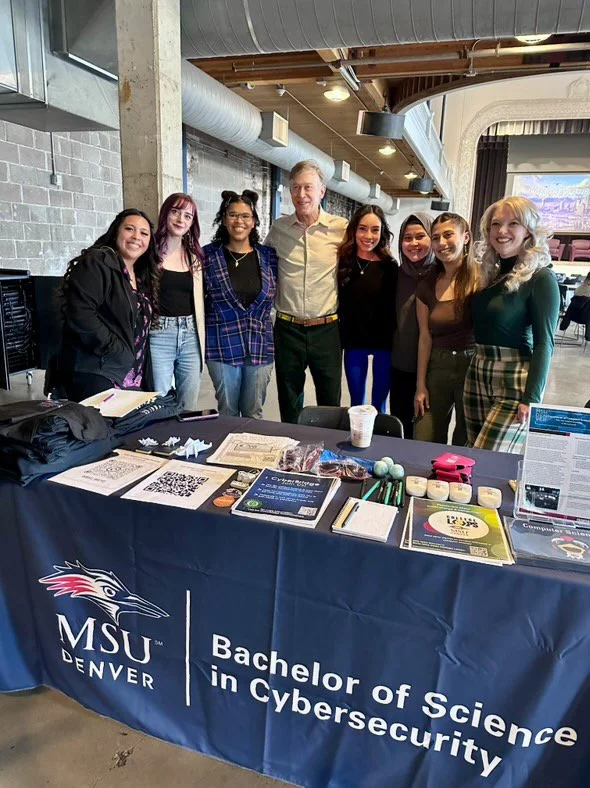
Girls Who Code and WiCys with Senator John Hickenlooper during an AI event we hosted
How I Work
I lead with people before I lead with process. In every team I've been part of, I'm the one who remembers birthdays, organizes lunch, and makes sure people know each other as humans, not job titles. That's not small talk, it's infrastructure. Trust built informally is what holds a team together when the work gets hard.
I also show up prepared. I want a shared understanding of scope and a clear approach before we start. I bring that to a team without imposing it, because structure serves people best when it doesn't feel like a cage.
My work spans the full product development lifecycle — ethnographic field research, component libraries, functional prototypes — and I care as much about whether an interface empowers someone as whether it looks polished.
What I Value
Integrity, as an operating principle. Consistency between what I believe and how I act isn't negotiable, it shapes every commitment I make and every deadline I keep.
Recognition, as a relational practice. Credit given freely and thanks offered genuinely are how trust compounds over time. I extend that to others because I know what it means to work without it for too long.
Intentional growth. I've remade my career once already. I know what it costs and what it returns. That experience shapes how seriously I treat every decision point in my work.
I'm built to do human-centered work at the intersection of complexity and care. That's always been true, the tools have just changed.
Right now, I'm looking for research and hybrid research/design roles: the kind of work where I get to dig into how people actually experience a product, then help build the fix.